





Honoring Our Heroes: The Legacy, Significance, and Traditions of Memorial Day
Each year, on the final Monday of May, Americans take time to honor the brave men and women who gave their lives in defense of our nation. Memorial Day is far more than just the beginning of summer—it is a day of reflection, reverence, and gratitude for the sacrifices made by our fallen heroes. From solemn remembrances to festive parades and backyard gatherings, Memorial Day blends historic traditions with heartfelt appreciation.
In this post, we’ll take a closer look at how Memorial Day began, how it has evolved, and the many ways Americans continue to honor its meaning.
A Look Back: The Origins of Memorial Day
Memorial Day traces its beginnings to the years following the Civil War—a time when the nation grappled with unprecedented loss. With hundreds of thousands of lives lost, communities across the country began setting aside days to decorate soldiers’ graves and pay their respects. Originally known as Decoration Day, this somber tradition took root in both Northern and Southern states.
The first widespread observance occurred on May 30, 1868, when General John A. Logan, representing Union veterans, called for a national day of remembrance. One of the earliest and most notable ceremonies took place at Arlington National Cemetery, where thousands gathered—including President Ulysses S. Grant—to honor over 20,000 fallen Union and Confederate soldiers.
Though officially initiated in the North, similar practices were already underway in Southern communities, many of which held ceremonies as early as 1866. Cities like Charleston, South Carolina; Macon, Georgia; and Columbus, Mississippi have each laid claim as the birthplace of Memorial Day.
Becoming a National Day of Remembrance
For decades, Memorial Day was primarily a Northern tradition, while Southern states observed their own days for Confederate soldiers. However, following the global conflicts of the 20th century—particularly World War I—the holiday was redefined to honor all American service members who lost their lives in battle, regardless of the war.
In 1971, Memorial Day was officially designated a federal holiday, with its observance moved to the last Monday in May. This adjustment allowed more Americans the opportunity to reflect, travel, and participate in commemorative events.
The Deeper Meaning of Memorial Day
While often mistaken for Veterans Day, which honors all who have served, Memorial Day is devoted specifically to remembering those who died in service to the United States.
For many families, this is a personal day—an opportunity to remember loved ones lost in combat. For others, it’s a chance to reflect on the freedom we enjoy, made possible by those who answered the call to duty with courage and resolve.
Though it also signals the unofficial start of summer, the heart of Memorial Day remains focused on honoring the fallen, making it a unique blend of reverence and celebration.
Memorial Day Traditions That Carry On
Over the years, Americans have embraced a number of meaningful ways to observe Memorial Day. Here are a few of the most common and cherished traditions:
1. Visiting Cemeteries and Memorials
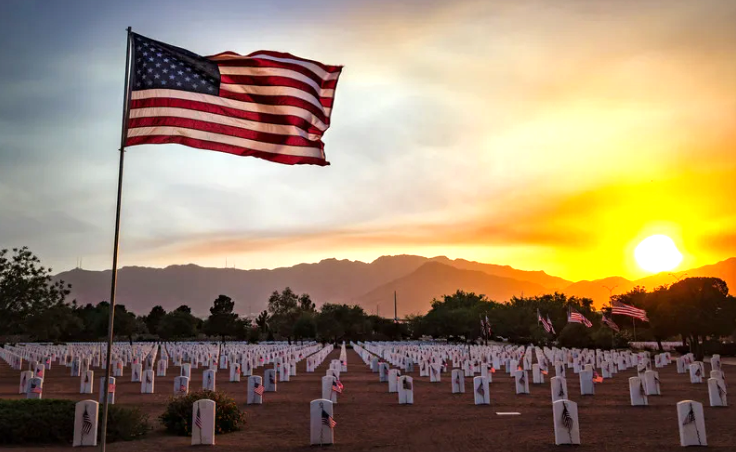
Many families visit the gravesites of service members, leaving flowers, flags, and personal tributes. National cemeteries such as Arlington, Gettysburg, and Punchbowl host formal ceremonies and draw thousands of visitors. Volunteers often place small American flags at each headstone, a touching gesture of remembrance.
2. Observing the National Moment of Remembrance
At 3:00 p.m. local time on Memorial Day, Americans are encouraged to pause for one minute of silence in honor of those who gave their lives. This simple yet powerful act unites people across the country in collective reflection.
3. Parades and Community Events
Memorial Day parades are a staple in towns and cities across America. These events often include military units, veterans, marching bands, and local officials. From the grandeur of Washington, D.C. to small-town processions, each parade serves as a public tribute to those who served and sacrificed.
4. Flying the Flag at Half-Staff
In accordance with tradition, the American flag is flown at half-staff until noon on Memorial Day, then raised to full-staff for the rest of the day. This symbolic gesture honors the fallen during the morning and expresses national strength and perseverance afterward.
5. Family Gatherings and Barbecues
While reflection is key, Memorial Day is also a time for families and friends to come together. Cookouts and picnics offer moments of connection and joy, often accompanied by stories of loved ones who served. These gatherings serve as an opportunity to pass down the meaning of the day to younger generations.
6. Sports and National Tributes
Major sporting events—like the Indianapolis 500—take place over Memorial Day weekend. These events often feature military flyovers, moments of silence, and tributes to Gold Star families, blending entertainment with respectful acknowledgment.
7. Acts of Service and Volunteering
Many Americans spend the day giving back—whether it’s volunteering at a veterans’ organization, cleaning local memorials, or participating in charity runs. These actions reflect the spirit of service that Memorial Day embodies.
Ways to Honor Memorial Day Respectfully
As you enjoy the extra day off, consider incorporating one or more of these thoughtful gestures into your celebration:
- Attend a local ceremony or parade
- Visit a military cemetery and leave flowers or a flag
- Watch a documentary or read about American military history
- Share stories with children or grandchildren about the holiday’s meaning
- Donate to organizations that support Gold Star families or veterans
- Wear a red poppy—a long-standing symbol of remembrance
Even the smallest act of appreciation helps keep the spirit and sacrifice of Memorial Day alive.
Final Reflections
Memorial Day is a time of unity, remembrance, and appreciation. It reminds us of the high cost of freedom and the bravery of those who paid that price. As you enjoy your weekend—whether you’re traveling, barbecuing, or relaxing at home—pause to reflect on those who gave everything so we could live in peace.
By honoring them, we not only preserve their legacy but also pass it forward to future generations. Let Memorial Day be more than a holiday—let it be a heartfelt thank you to the heroes we will never forget.
Read more Memorial Day history and traditions from the U.S. Department of Veterans Affairs >>>
Connect with us

