




Improving your credit score is crucial for better financial opportunities like securing loans, lower interest rates, and qualifying for mortgages. Here are practical tips to help you improve your credit:
1. Pay Bills on Time
Why: Payment history is the most important factor in your credit score, accounting for about 35%.
How: Set up automatic payments or calendar reminders to avoid missing due dates.
2. Keep Credit Utilization Low
Why: Your credit utilization ratio (how much credit you’re using compared to your total available credit) impacts about 30% of your score.
How: Aim to use no more than 30% of your available credit across all accounts. If possible, try to keep it under 10%.
3. Avoid Opening New Accounts Frequently
Why: Hard inquiries from applying for new credit can temporarily lower your score. Too many new accounts can also shorten your average credit age, which affects about 15% of your score.
How: Apply for new credit only when necessary.
4. Pay Down Debt Strategically
Why: Reducing your overall debt improves your credit utilization and lowers your debt-to-income ratio, which creditors evaluate.
How: Use methods like the debt snowball (paying off the smallest debts first) or debt avalanche (tackling the highest-interest debts first).
5. Don’t Close Old Credit Cards
Why: Closing a card reduces your available credit and may increase your credit utilization ratio. It also affects the length of your credit history.
How: Keep older accounts open, even if you’re not using them actively. Occasionally make a small purchase to keep the account active.
6. Check Your Credit Reports Regularly
Why: Errors on your credit report (such as inaccurate accounts or missed payments) can harm your score.
How: Get a free credit report annually from all three major credit bureaus (Equifax, Experian, TransUnion) at AnnualCreditReport.com and dispute any inaccuracies.
7. Become an Authorized User
Why: If a trusted friend or family member adds you as an authorized user on their account, their positive credit history can boost your score.
How: Ensure the primary account holder has a good payment history and low utilization.
8. Use Credit-Builder Loans or Secured Credit Cards
Why: These tools are designed for individuals with limited or damaged credit.
How: Credit-builder loans allow you to build credit as you make monthly payments. Secured credit cards require a deposit, which acts as collateral, and are easier to get approved for.
9. Diversify Your Credit Mix
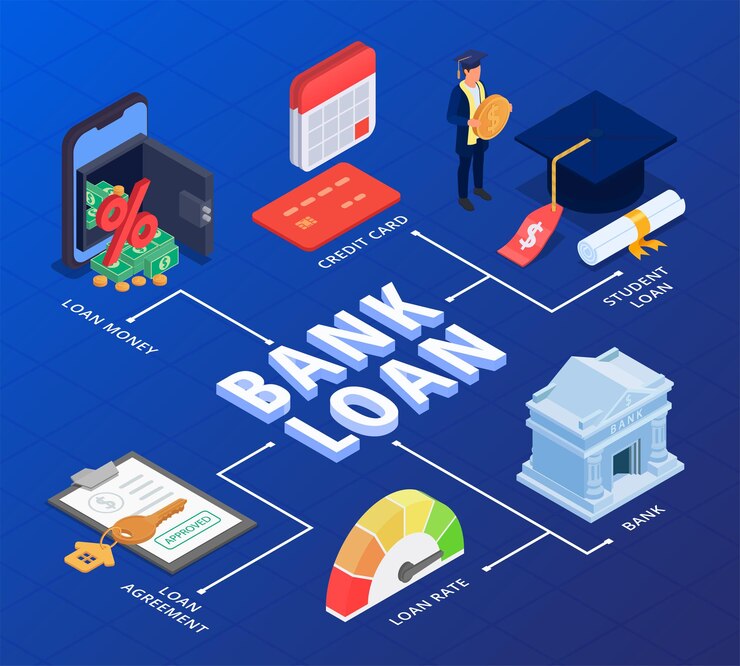
Why: Having a mix of credit types (credit cards, loans, etc.) can positively affect your score (about 10% of your total score).
How: Don’t open new types of credit just for the sake of it, but managing different types of credit responsibly can help.
10. Negotiate with Creditors
Why: If you’re struggling with debt, negotiating with creditors may help you set up a payment plan that’s more manageable, helping you avoid missed payments.
How: Contact your creditor and explain your situation; many will work with you to avoid default.
Improving your credit takes time, but consistent, responsible financial behavior will have a positive impact in the long run.
Connect with us


Categories
